Why Is My Car Overheating in Houston Traffic? Common Causes and What To Do Next
If you've ever watched your temperature gauge start climbing while sitting on I-10, Westheimer, the Katy Freeway, or crawling through the Energy Corridor during a Houston summer, you're not alone. Overheating problems are one of the most common warm-weather vehicle issues we diagnose at Auto Care Unlimited.
Houston's combination of extreme heat, humidity, stop-and-go traffic, and heavy air-conditioning use puts tremendous stress on modern cooling systems. A vehicle that seems perfectly fine on the highway may begin showing cooling system weaknesses the moment it gets stuck in traffic.
Common Signs Your Vehicle May Be Overheating
Watch for:
- A temperature gauge rising above normal
- Steam from under the hood
- A sweet coolant smell
- Coolant leaks beneath the vehicle
- Dashboard temperature warnings
- Air conditioning that becomes warm at idle
If you notice any of these symptoms, it's best to address them early before a minor repair becomes a major engine problem.
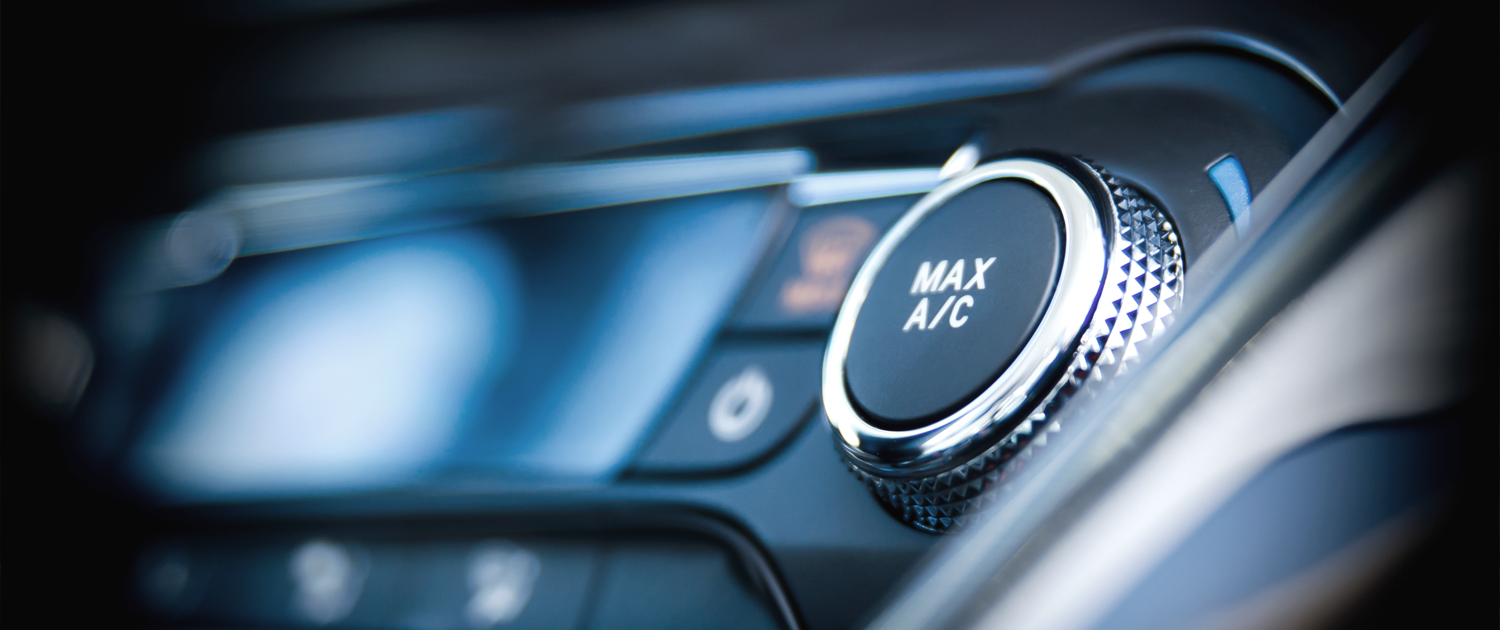
Why Does My Car Overheat Only When the A/C Is On?
This is one of the most common complaints we hear during Houston summers.
When your air conditioning is operating, the cooling system has to remove additional heat generated by the A/C condenser. If cooling fan performance is weak or airflow through the radiator is restricted, temperatures may stay normal with the A/C off but begin climbing once the system is engaged.
Common causes include cooling fan failures, low coolant levels, radiator restrictions, water pump problems, and cooling fan control module issues.
Why Does My Car Overheat Only At Idle?
If your vehicle overheats while sitting at a stoplight but cools down once you're moving, the cooling fans are often the first place we start testing.
At highway speeds, natural airflow helps cool the radiator. At idle, the cooling fans must provide that airflow. A failed fan motor, relay, fuse, wiring issue, or control module can quickly lead to overheating when traffic slows down.
Can Low Coolant Cause Overheating?
Absolutely.
Coolant is responsible for carrying heat away from the engine. Even a small leak can eventually lower coolant levels enough to cause overheating.
Common leak points include radiators, hoses, expansion tanks, thermostat housings, water pumps, and heater cores. If you're repeatedly adding coolant, there is usually an underlying issue that should be diagnosed rather than simply topping off the reservoir.
Can A Bad Thermostat Cause Overheating?
One of the more common overheating problems we see is a thermostat that sticks closed.
When that happens, coolant can't circulate through the radiator properly and temperatures can rise surprisingly fast. Drivers often report that the vehicle was operating normally one day and overheating the next.
Symptoms may include rapid overheating, fluctuating temperature readings, poor heater performance, or coolant being forced into the overflow reservoir.
A Real-World Example From West Houston
Recently we inspected a late-model SUV from the Energy Corridor that only overheated with the air conditioning running while sitting in traffic. The customer assumed the radiator needed replacement.
After testing, we found the actual problem was a failed cooling fan control module. The radiator itself was functioning normally. Once the control module was replaced, operating temperatures returned to normal even during Houston afternoon traffic.
This is one reason proper testing is so important. Symptoms often point toward one component while the root cause is somewhere else entirely.
The Most Common Causes of Overheating
The majority of overheating problems we diagnose are caused by:
1. Low coolant levels or coolant leaks
2. Cooling fan failures
3. Thermostat problems
4. Water pump failures
5. Restricted radiators
6. Internal engine issues such as head gasket failures
Determining which component is responsible requires proper testing rather than guesswork.
Can I Continue Driving An Overheating Vehicle?
In most cases, no.
Continuing to drive while the engine is overheating can quickly escalate repair costs. Severe overheating can damage cylinder heads, head gaskets, catalytic converters, pistons, and other major engine components.
If the temperature gauge enters the red zone or you see steam coming from under the hood, pull over safely and shut the engine off as soon as possible.
What To Do If Your Vehicle Starts Overheating
1. Turn off the air conditioning.
2. Pull over safely when possible.
3. Shut the engine off if temperatures continue rising.
4. Never remove the radiator cap while the engine is hot.
5. Have the cooling system inspected before resuming normal driving.
Serving West Houston Drivers Since 1988
For more than three decades, Auto Care Unlimited has helped drivers throughout Briar Forest, the Energy Corridor, Memorial, Westchase, Katy, and West Houston diagnose and repair cooling system problems.
Whether you're dealing with coolant loss, overheating in traffic, overheating with the A/C on, or recurring temperature warnings, our team can identify the root cause and recommend the correct repair.
Contact Auto Care Unlimited
12600 Briar Forest Dr
Houston, TX 77077
(281) 506-2094